Understanding the Impact of Workplace Design on Collaboration
In today’s fast-paced business environment, collaboration has become an integral part of every organization. Whether it’s a team working on a project or different departments working towards a common goal, effective collaboration is crucial for the success of any company. However, many businesses struggle to foster a collaborative work culture, and one of the main reasons for this is a poorly designed workplace. The impact of workplace design on collaboration is often overlooked, but it can significantly affect the way employees interact and work together. In this article, we will delve deeper into the importance of workplace design in fostering collaboration and explore how organizations can create a conducive work environment for their teams.
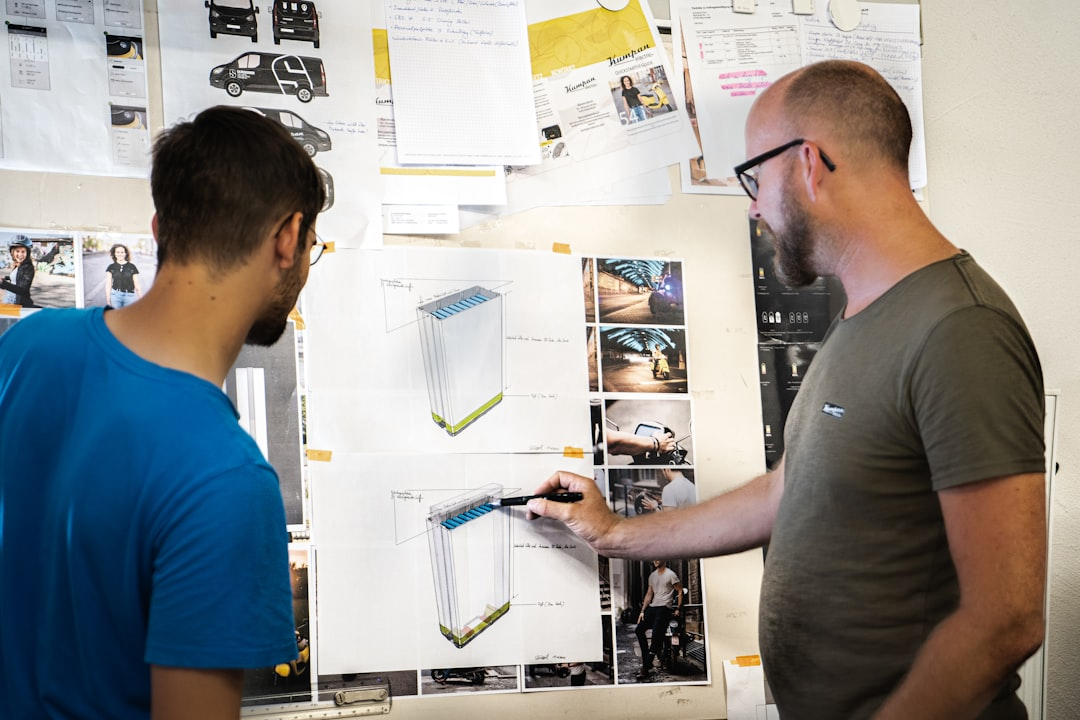
The Role of Workplace Design in Collaboration
Workplace design refers to the physical layout, spatial arrangements, and overall aesthetics of an office space. It includes elements such as furniture, lighting, color schemes, and noise levels. While workplace design plays a vital role in creating a pleasant and productive work environment, it also has a significant impact on collaboration among employees. Here are some ways in which workplace design affects collaboration:
1. Encourages Interaction and Communication
The layout of an office can either promote or hinder interaction and communication among employees. For instance, an open office with shared workstations and minimal barriers encourages employees to interact and communicate with one another. On the other hand, a traditional workspace with closed cubicles can inhibit communication and collaboration. Similarly, the design of common areas such as break rooms, meeting rooms, and brainstorming areas can also influence the level of interaction and communication among employees.
2. Fosters Creativity and Innovation
A well-designed workplace can stimulate creativity and foster innovation. For instance, a brightly lit and visually appealing workspace can boost the mood and energy levels of employees, leading to more innovative ideas and solutions. Moreover, a well-designed workplace can provide employees with different types of workspaces, such as collaboration zones, quiet areas, and creative spaces, to cater to their diverse needs and working styles. This variety in the workplace can encourage employees to think outside the box and come up with creative solutions.
3. Minimizes Distractions
A noisy and cluttered workspace can be a significant hindrance to collaboration. Workplace design plays a crucial role in minimizing distractions and creating a conducive work environment for employees. For instance, the use of sound-absorbing materials and noise-canceling technologies can reduce noise levels and create a quiet and focused work environment. Similarly, a well-organized and clutter-free workspace can also help employees stay focused and productive.
Creating a Collaborative Workplace Design
Now that we understand the impact of workplace design on collaboration, let’s explore how organizations can create a workspace that promotes teamwork, communication, and innovation.
1. Involve Employees in the Design Process
When designing or redesigning a workplace, it is essential to involve employees in the process. Employees are the best resources when it comes to understanding their needs and preferences in a workspace. Conducting surveys, focus groups, and workshops can provide valuable insights into how employees envision their ideal workplace. This involvement in the design process can also make employees feel valued and increase their engagement with the organization.
2. Create a Flexible Workspace
A one-size-fits-all approach to workplace design may not work for all employees. It is crucial to provide employees with a flexible workspace that caters to their individual needs and working styles. This can include a variety of workstations, from open desks to private rooms, and areas for focused work and collaboration. Moreover, having movable furniture and flexible layouts can allow employees to adapt their workspace based on their tasks, preferences, and comfort.
3. Take Care of Ergonomics
Ergonomics refers to the design and arrangement of working conditions that are most conducive to the physical and psychological well-being of employees. An ergonomic workspace can improve employee health, productivity, and comfort. Organizations should invest in ergonomic furniture, such as adjustable desks and chairs, to ensure that employees can work comfortably. Additionally, providing ample natural light and incorporating biophilic design elements, such as plant-based decorations, can also have a positive impact on employee well-being.
In Conclusion
The impact of workplace design on collaboration cannot be overstated. A well-designed workspace can promote interaction, communication, creativity, and productivity among employees. By involving employees in the design process and creating a flexible and ergonomically sound workspace, organizations can foster a collaborative work culture and reap the benefits of effective teamwork and innovation. Ultimately, a thoughtfully designed workspace can contribute significantly to the success of any organization.