The Cultural Significance of Traditional Dress Around the World
Traditional dress is not just a piece of fabric draped over the body, it is a reflection of a culture’s history, beliefs, and values passed down from generation to generation. From the vibrant colors of the Indian saree to the intricate embroidery of the Chinese Qipao, traditional dress around the world is a celebration of diversity and a representation of the unique identities of its wearers. In this article, we will explore the cultural significance of traditional dress and how it is an important aspect of preserving and honoring a country’s heritage.
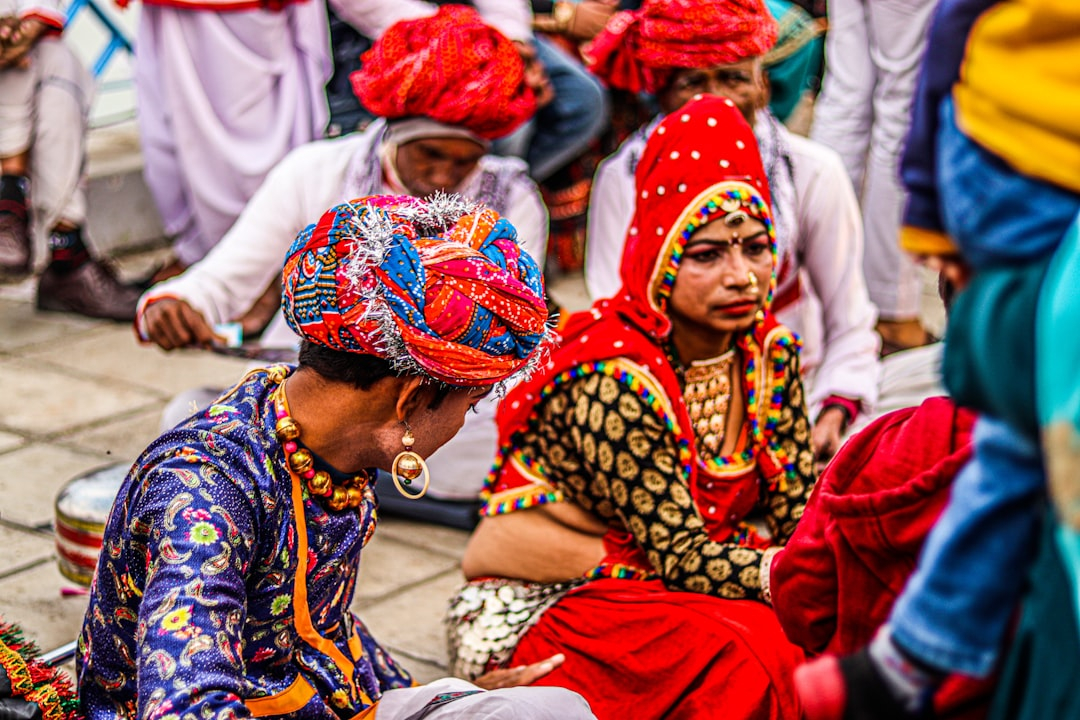
The Connection Between Traditional Dress and Culture
Traditional dress may vary in style, design, and materials used, but they all share a common purpose – to showcase a culture’s identity. Traditional dress can reveal a lot about a society’s history, customs, and traditions. It is a visual representation of a community’s values and norms, as well as a symbol of its cultural pride.
For instance, the hanbok, a traditional Korean dress, represents the country’s rich history and its strong ties to Confucianism. The dress’s vibrant colors and patterns represent the wearer’s social status and marital status, while the full skirt symbolizes the importance of modesty and purity in Korean culture.
The Role of Traditional Dress in Ceremonies and Festivals
In many cultures, traditional dress is an essential part of various ceremonies and festivals. These garments are worn to mark important milestones in a person’s life, such as weddings, coming-of-age ceremonies, and religious festivals. For example, the white wedding dress is a longstanding tradition in Western cultures, symbolizing purity and new beginnings.
Moreover, traditional dress is also seen in cultural celebrations and festivals, such as the Chinese New Year, Diwali, and Carnival in Brazil. These garments play a crucial role in keeping the traditions and customs of these festivals alive and are often intricately designed with symbols and motifs that hold cultural significance.
The Preservation of Cultural Heritage
As the world becomes more interconnected, there is a concern that traditional dress may fade away or be overshadowed by modern fashion. However, many cultures are making a conscious effort to preserve and continue the legacy of their traditional dress. This is not only to honor their roots but also to showcase their unique cultural identities to the world.
In some countries, like Japan and Bhutan, traditional dress is still widely worn by the majority of the population, even in day-to-day life. In contrast, in some cultures, traditional dress is solely reserved for special occasions or traditional performances, such as the Maasai tribe in Kenya. Nevertheless, these efforts have helped to keep traditional dress alive and relevant in today’s society.
The Impact of Globalization on Traditional Dress
With the rise of globalization, traditional dress has also evolved to adapt to modern trends and influences. Many designers and fashion brands have incorporated elements of traditional dress into their collections, making them more accessible and appealing to a wider audience. This fusion of traditional dress with contemporary fashion has also allowed cultures to share and exchange their traditions with one another.
However, there is a fine line between cultural appreciation and appropriation. Many traditional dress pieces have been commercialized and marketed without properly acknowledging their cultural origins, causing controversies and concerns among communities. It is crucial to educate ourselves and respect the cultural significance of traditional dress when incorporating it into fashion.
In Conclusion
Traditional dress plays a vital role in preserving and promoting a culture’s identity and heritage. It is more than just a piece of clothing, but a representation of a community’s values, beliefs, and customs. As we continue to embrace diversity and cultural exchange, it is essential to respect and appreciate the cultural significance of traditional dress and recognize its role in shaping our world’s cultural landscape.