Exploring the World of Motorsport Engineering and Technology
Welcome to the world of motorsport engineering and technology!
When you think of motorsport, you probably picture fast cars, adrenaline-fueled races, and skilled drivers. But behind the scenes, there is a whole other world of engineering and technology that makes these high-speed competitions possible. From aerodynamics to mechanical design, the world of motorsport engineering and technology is a fascinating and constantly evolving one. In this article, we will take a closer look at the various components that go into creating a successful motorsport vehicle and the impact of technology on the sport.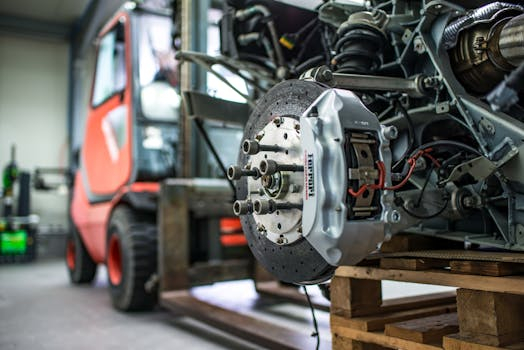
The Evolution of Motorsport Engineering and Technology
Motorsport has been around for over a century, and in that time, it has seen incredible growth and advancements in both engineering and technology. In the early days of motorsport, engineering was mainly focused on improving the performance and reliability of the vehicle. It wasn’t until the 1950s that aerodynamics became a significant factor in racing vehicles, taking the sport to a whole new level.
In the following decades, the use of technology in motorsport continued to increase, with the introduction of computerized engine management systems, carbon-fiber materials, and advanced suspension systems. Today, motorsport engineering and technology have become synonymous with each other, with every aspect of a vehicle being meticulously designed and tested for optimum performance on the track.
The Role of Aerodynamics in Motorsport
The Basics of Aerodynamics
Aerodynamics is the study of how air flows around an object. In motorsport, it plays a crucial role in determining the speed, handling, and overall performance of a vehicle. The idea is to reduce the drag force and increase downforce, which is the force that pushes the car towards the ground, providing better grip and stability. By shaping the body of the car in a specific way, engineers can manipulate the air to achieve these results.
Aerodynamics is a complex science, and motorsport teams invest heavily in wind tunnel testing and simulation tools to create the most efficient and streamlined design for their vehicles. This constant pursuit of aerodynamic perfection has led to some innovative and eye-catching designs in motorsport, making for an exciting spectacle for fans and a constant challenge for engineers.
The Impact of Technology on Motorsport Engineering
Computer-Aided Design (CAD)
The use of computer-aided design (CAD) has had a significant impact on motorsport engineering. CAD software allows engineers to create precise 3D models of the vehicle, making it easier to test and modify different designs before building a physical prototype. This not only speeds up the process but also reduces the risk of errors and allows for more efficient use of materials.
With the help of CAD, engineers can also simulate and analyze various scenarios, such as crashes and wind resistance, ensuring the safety and performance of the vehicle.
Data Acquisition and Analysis
Another crucial aspect of technology in motorsport is data acquisition and analysis. With sensors placed throughout the vehicle, data can be collected in real-time during races and practice sessions. This data is then analyzed to identify performance issues, make adjustments, and improve the overall performance of the vehicle.
Advanced data analytics tools have also become a game-changer in motorsport, allowing teams to gather and process vast amounts of data quickly. This has led to better decision-making and an increased ability to predict and prevent issues before they arise.
The Future of Motorsport Engineering and Technology
The world of motorsport engineering and technology is constantly evolving, and the future looks even more exciting. With advancements in electric and hybrid technology, we are already seeing a shift towards more sustainable racing. The introduction of artificial intelligence and autonomous vehicles is also being explored, potentially changing the face of motorsport completely.
One thing is for sure; the world of motorsport engineering and technology will continue to push the boundaries of what is possible and provide an exhilarating and ever-changing experience for both engineers and fans alike.
In Conclusion
The world of motorsport engineering and technology is an intricate and dynamic one. From aerodynamics to computer simulations, every aspect of a racing vehicle is carefully designed and tested to achieve the ultimate performance on the track. With technology continuously advancing, the future of motorsport looks brighter than ever, promising even more thrilling races and cutting-edge engineering. So, next time you watch a motorsport event, remember the incredible engineering and technology behind every high-speed turn and heart-pumping moment.