How to Successfully Detail Your Car’s Engine Bay Safely
When it comes to car detailing, most people focus on the exterior and interior of their vehicle, but neglect one of the most important areas – the engine bay. Detailing your car’s engine bay not only keeps it looking clean and shiny, but also helps to prevent rust, corrosion, and other potential problems. However, cleaning your car’s engine bay is not like washing the body or vacuuming the interior. It requires special care and attention to avoid damaging sensitive components. In this article, we will discuss how to successfully detail your car’s engine bay safely, so you can keep your engine looking and running like new.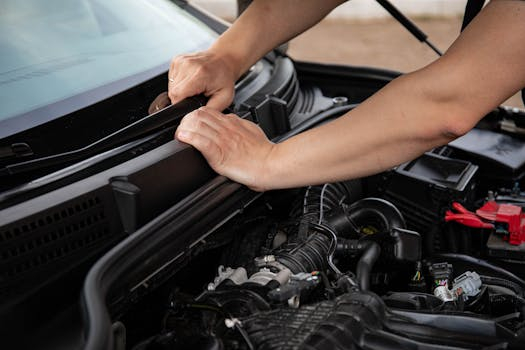
Why Detail Your Car’s Engine Bay?
You may be wondering why you should bother detailing your car’s engine bay when it’s hidden under the hood and no one really sees it. Here are a few reasons why detailing your engine bay is important:
Maintenance
Cleaning and detailing your engine bay can help to prevent build-up of dirt, grime, and other debris that can affect its performance. It also allows you to easily spot any potential maintenance issues, such as leaks or worn out parts, before they become serious problems.
Aesthetics
Let’s face it, a clean and shiny engine bay just looks better. It can make your car feel newer and well-maintained, and can be a source of pride for car enthusiasts.
Resale value
When it comes time to sell your car, a clean engine bay can significantly increase its resale value. Buyers will see that you have taken good care of your car, which can make a good first impression and potentially lead to a higher sale price.
Preparing to Detail Your Engine Bay
Now that we’ve established the importance of detailing your car’s engine bay, let’s discuss how to do it safely. Before you get started, here are some tips to help you prepare:
Read your owner’s manual
Every car is different, so it’s important to read your owner’s manual for any specific cleaning instructions or precautions for your particular vehicle.
Gather supplies
You will need some basic supplies to detail your engine bay, including a gentle all-purpose cleaner, a degreaser, a brush or sponge, clean microfiber towels, and a protective dressing for plastic and rubber components.
Protect sensitive components
There are certain parts of your engine bay that you want to avoid getting wet, such as the air intake, electrical components, and belts. Use plastic bags or aluminum foil to cover these areas before you start cleaning.
The Cleaning Process
Now it’s time to get your hands dirty and start cleaning your engine bay. Here’s a step-by-step guide to help you through the process:
Step 1: Let the engine cool down
Before you begin, make sure your engine has had enough time to cool down. This will prevent any potential burns and also allow the cleaning products to work more effectively.
Step 2: Remove debris
Using a soft-bristled brush or compressed air, remove any loose debris and dust from the engine bay. This will make the cleaning process easier and prevent scratching.
Step 3: Apply degreaser
Apply a degreaser to any dirty or oily areas, such as the engine block and oil pan. Use a brush to agitate the degreaser and loosen any grime. Let it sit for a few minutes before rinsing off with a gentle stream of water.
Step 4: Use all-purpose cleaner
Apply an all-purpose cleaner to the rest of the engine bay and let it sit for a few minutes. This will help to break down any dirt or grime that the degreaser didn’t remove.
Step 5: Rinse off
Using a gentle stream of water, rinse off the all-purpose cleaner and any remaining degreaser. Make sure to remove all the cleaning products to avoid any potential damage to your engine.
Step 6: Dry off
Using clean microfiber towels, dry off any excess water. Make sure to be gentle and not rub too hard, as this can cause scratches.
Step 7: Protect plastic and rubber components
Apply a plastic and rubber dressing to any plastic or rubber components in your engine bay. This will not only make them look shiny and new, but also protect them from cracking and fading.
Final Tips and Precautions
Now that your engine bay is clean and shiny, here are a few final tips and precautions to keep in mind:
Be gentle
When cleaning your engine bay, be careful not to apply too much pressure or scrub too hard, as this can cause damage to sensitive components and paint.
Check for leaks
After detailing your engine bay, keep an eye out for any leaks or signs of damage. This way, you can catch and address any issues before they become expensive problems.
Clean regularly
The best way to keep your engine bay clean and safe is to make it a regular part of your car cleaning routine. This will prevent build-up and make future detailing sessions easier.
Detailing your engine bay may seem like a daunting task, but with these tips and precautions, you can do it safely and effectively. Remember to read your owner’s manual, gather your supplies, protect sensitive components, and be gentle during the cleaning process. By following these steps, you can keep your car’s engine bay looking like new and running smoothly for years to come.