The Transformative Power of Visiting Historical Sites
History has the remarkable ability to shape our perspectives, inspire our creativity, and connect us to our past. While studying history through textbooks and documentaries can provide valuable knowledge, nothing compares to experiencing history first-hand by visiting historical sites. These sites hold a unique transformative power, allowing us to immerse ourselves in the stories, people, and events of the past. From ancient ruins to significant battlefields, each historical site has its own story to tell and its own lessons to teach. In this article, we will explore the transformative power of visiting historical sites and why it is an essential part of understanding our world and ourselves.
Connecting with the Past
Walking through the streets of a historical city or standing in the ruins of an ancient temple can transport us back in time. This connection to the past can bring a sense of awe and wonder as we envision ourselves in the same place where significant historical events took place. Such experiences cannot be replicated through books or movies, making them all the more valuable.
Historical sites also provide a tangible link to our ancestors. We can physically see and touch the same structures and artifacts that they were once a part of. This connection to our past can evoke a sense of belonging and remind us that we are part of a larger story with a rich heritage.
Expanding Our Understanding
Experiencing History
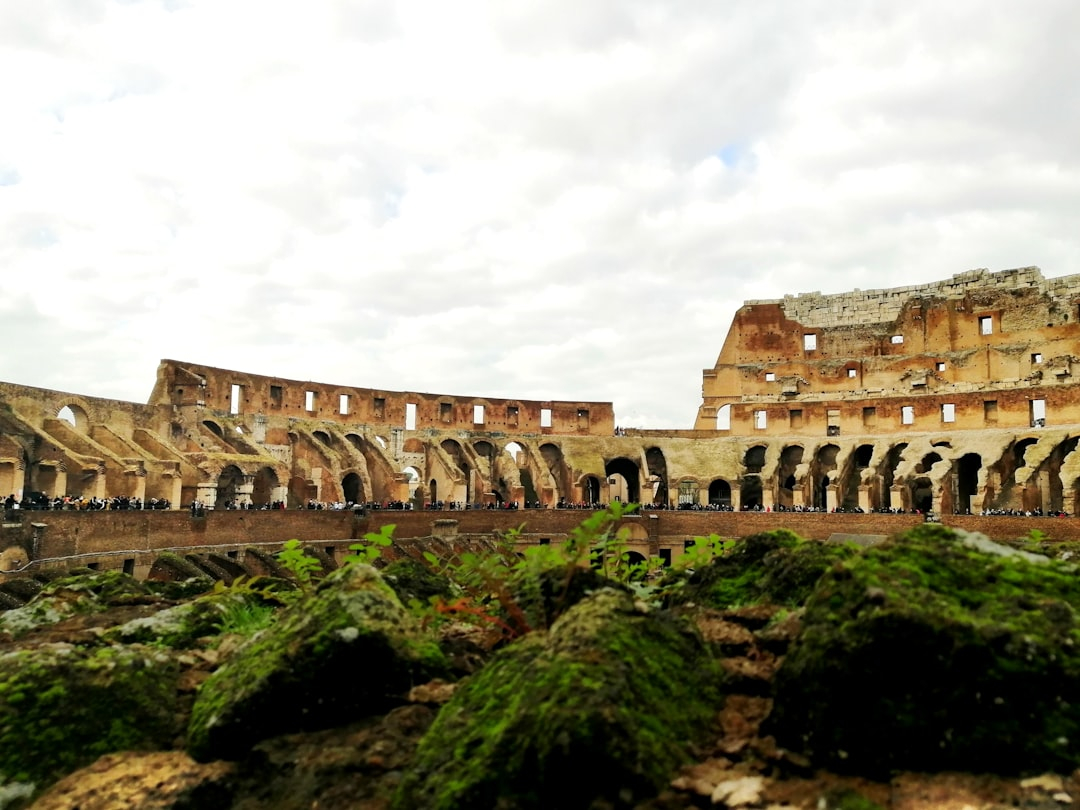
Visiting historical sites allows us to experience history in a whole new way. We can witness firsthand how people lived, worked, and interacted with their surroundings. This can provide us with a more comprehensive understanding of a particular time period or event. For example, standing on the grounds of the Colosseum in Rome can give us a better understanding of gladiatorial games and the culture of ancient Rome than reading about it in a book ever could.
Learning from Past Mistakes
History is full of both triumphs and tragedies, and visiting historical sites can shed light on lessons from the past. By studying past mistakes and successes, we can gain valuable insights into how we can move forward and avoid repeating the same errors. For instance, visiting the Hiroshima Peace Memorial Park in Japan can deepen our understanding of the devastating effects of war and inspire us to strive for peace.
Inspiring Creativity and Imagination
Historical sites often have a captivating aura that sparks our creativity and imagination. They can transport us to faraway lands and ancient civilizations, igniting our curiosity and inspiring us to learn more. Walking through the majestic ruins of the Great Pyramids of Giza, for example, can spark our imagination and encourage us to learn about the wonders of ancient Egyptian architecture and engineering.
Additionally, historical sites can serve as a backdrop for creative pursuits such as writing, painting, or photography. Many artists have drawn inspiration from historical sites, using them as a canvas to tell their stories and express their ideas.
The Role of Historical Sites in Preserving Culture
Historical sites are crucial in preserving cultural heritage and passing it on to future generations. By visiting these sites, we can gain a deeper appreciation for the traditions, customs, and values of different cultures. It can also help us understand the impacts of societal and cultural changes over time.
Moreover, visiting historical sites can contribute to the local economy and support the conservation and maintenance of these important sites. It also allows us to show our respect and appreciation for the people and cultures that created these sites in the first place.
The Power of Shared Experiences
Visiting historical sites can also bring people together in a shared experience. It allows us to connect with others who share a similar interest and passion for history. By experiencing these sites together, we can learn from one another and gain new perspectives on the significance of these places.
Furthermore, this shared experience can transcend cultural and language barriers, fostering a sense of unity and understanding among people from different backgrounds. It can serve as a stepping stone for deeper discussions and promote cultural exchange.
In Conclusion
There is no denying the transformative power of visiting historical sites. These places hold a unique ability to connect us to our past, expand our understanding of the world, inspire our creativity and imagination, and facilitate cultural exchange. So next time you have the chance to visit a historical site, take it, and let yourself be taken on a journey through time and space.