Decoding Fashion Industry Jargon: Know Your Terms Better
The fashion industry can often seem like a language of its own, with unfamiliar terms and jargon being thrown around left and right. As a result, it can be quite overwhelming for both industry professionals and consumers alike. However, understanding the terminology used in the fashion industry can greatly benefit both parties. Whether you’re a fashion enthusiast or a business owner, decoding fashion industry jargon is essential for navigating the industry with ease and staying up-to-date with the latest trends and developments. In this article, we’ll break down some of the most commonly used terms in the fashion industry and help you understand them better.
Fabric and Materials
Fiber
Fiber is the essential building block of any fabric. It refers to the individual strands or threads used to create a fabric. Fibers can be natural, such as cotton, silk, or wool, or synthetic, like polyester or nylon.
Knit vs. Woven
Knit and woven are the two main types of fabric constructions. Knitted fabrics are made using a single thread in a continuous loop, giving them a stretchy and flexible quality. Woven fabrics, on the other hand, are made by weaving two sets of threads together at right angles, creating a more structured and durable fabric.
Blend
When multiple fibers are mixed together to create a fabric, it is referred to as a blend. For example, a cotton-poly blend fabric would have both cotton and polyester fibers in it. Blends are often used to combine the best qualities of different fibers for a more desirable fabric.
Garment Construction
Cut and Sew
Cut and sew refers to the traditional method of garment construction, where individual pieces of fabric are cut and then assembled to create a garment. This type of production is labor-intensive and allows for greater customization and control over the final product.
Knitwear
Knitwear refers to garments that are made using knitted fabric. Sweaters, cardigans, and socks are all examples of knitwear. Knitwear is often more stretchy and comfortable than woven garments, making it a popular choice for casual and athletic wear.
Pattern Making
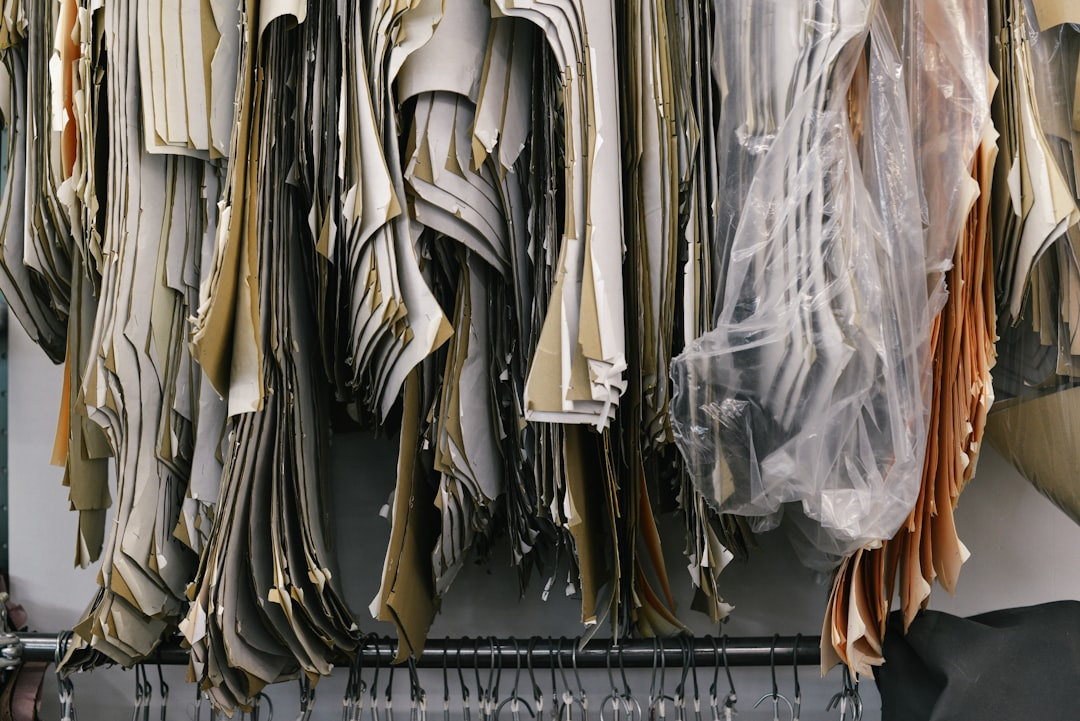
Pattern making is the process of creating a blueprint for a garment before it is cut and sewn. It involves taking measurements, drafting a design, and creating a pattern that will be used as a guide for cutting the fabric and assembling the garment.
Buzzwords and Phrases
Fashion Cycle
The fashion cycle refers to the process of how trends and styles come and go in the industry. It starts with the emergence of a new trend, followed by its rise in popularity, and eventually, its decline into obsolescence. Understanding the fashion cycle is crucial for retailers and designers to stay on top of current and future trends.
Capsule Collection
A capsule collection is a small, curated collection of pieces that embody the brand’s aesthetic and can be mixed and matched to create a variety of outfits. This type of collection is often more sustainable and timeless, as it encourages consumers to invest in versatile and high-quality pieces rather than constantly buying new ones.
Fast Fashion
Fast fashion is a term used to describe the mass production and rapid proliferation of cheap, trendy clothing. While it offers consumers quick and affordable access to the latest styles, it also contributes to environmental and social issues such as waste, pollution, and exploitation of labor.
Conclusion
Understanding fashion industry jargon is essential for both professionals and consumers in the industry. It allows for better communication, decision-making, and staying ahead of the game. While it may seem daunting at first, taking the time to familiarize yourself with the terms and concepts used in the world of fashion can be highly beneficial in the long run.