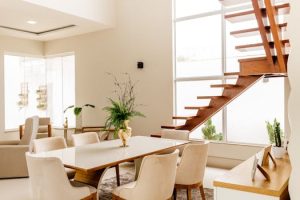
Developing an Eye for Practical Home Layouts
If you are in the process of buying or building a new home, or even just looking to upgrade your current living space, one important aspect that can easily be overlooked is the layout of the home. A practical home layout not only enhances the functionality and flow of your living space, but it can also increase its overall value. But how do you develop an eye for practical home layouts? In this article, we will discuss the key elements of a practical home layout and provide tips on how to develop an eye for it.
Understanding the Basics of Home Layouts
Before we dive into developing an eye for practical home layouts, it’s important to have a basic understanding of what a home layout encompasses. Essentially, a home layout refers to the physical arrangement of rooms and spaces within a house. This includes the placement of rooms, walls, doors, windows, and other architectural features. It also involves the flow of movement and how different areas of the house connect to one another.
The layout of a home should be a reflection of its purpose and the needs of its occupants. A practical home layout is designed with functionality and efficiency in mind, while also taking into consideration the aesthetic appeal.
The Key Elements of a Practical Home Layout
1. Balance and Proportion
One of the key elements of a practical home layout is balance and proportion. A well-balanced and proportioned layout creates a sense of harmony and symmetry throughout the house. This means that spaces should be evenly distributed and flow seamlessly from one room to another. It also involves using appropriate sizes and shapes for each of the rooms and features.
2. Room Flow and Traffic Patterns
The flow of movement within a home is also an important aspect of a practical layout. You want to ensure that rooms are logically connected and that there are no unnecessary barriers hindering the flow. Additionally, traffic patterns should be taken into consideration when designing a layout. For example, high-traffic areas such as the kitchen, living room, and bathrooms should have easy and convenient access.
3. Functionality
A practical home layout should serve the purpose of the house. This means that the layout should enhance the functionality of each room and cater to the needs of its occupants. For instance, the kitchen should be close to the dining area, bedrooms should have easy access to bathrooms, and so on.
4. Natural Light and Ventilation
Good natural light and ventilation are essential for a practical home layout. A well-designed layout should maximize the entry of natural light and fresh air into the living spaces. This not only makes the house more energy-efficient but also creates a healthier and more comfortable living environment.
Developing an Eye for Practical Home Layouts
Now that we understand the key elements of a practical home layout, let’s talk about how you can develop an eye for it. Here are a few tips:
1. Study Floor Plans
If you are in the process of buying or building a new home, the first step to developing an eye for practical home layouts is to study floor plans. Floor plans give you a bird’s-eye view of the layout and help you understand the flow of rooms and spaces. This will give you a better idea of the functionality and feasibility of the layout.
2. Analyze Your Current Living Space
Even if you are not planning on moving, you can still develop an eye for practical home layouts by analyzing your current living space. Think about what works and what doesn’t in terms of the layout. What are the areas that could use improvement? What are the areas that you love? Take note of these things and apply them when looking for or designing a new home.
3. Get Inspired
Another great way to develop an eye for practical home layouts is to get inspired by other homes. Browse through home magazines, online design websites, or even visit open houses to see how other people have designed their living spaces. This will give you a fresh perspective and spark new ideas for your own home layout.
4. Consult with a Professional
If you are struggling to visualize the layout of your dream home, consider consulting with a professional. Interior designers and architects are trained to understand the flow and functionality of living spaces and can assist you in creating a practical home layout that meets your needs and preferences.
In conclusion, developing an eye for practical home layouts is all about understanding the key elements and taking the time to analyze and visualize the flow of your living space. With these tips, you’ll be on your way to creating a functional and appealing home layout that not only meets your needs but also adds value to your property.