The Significance of Fashion in Portraying Gender Roles
Fashion has been a major aspect of human society for centuries, serving as a form of self-expression and cultural representation. It is often seen as a reflection of a person’s personality, social status, and beliefs. However, on a larger scale, fashion has also played a significant role in portraying and reinforcing gender roles within society. The way we dress not only communicates our gender identity but also reflects the larger societal expectations and norms placed upon us. In this article, we will delve into the significance of fashion in portraying and perpetuating gender roles.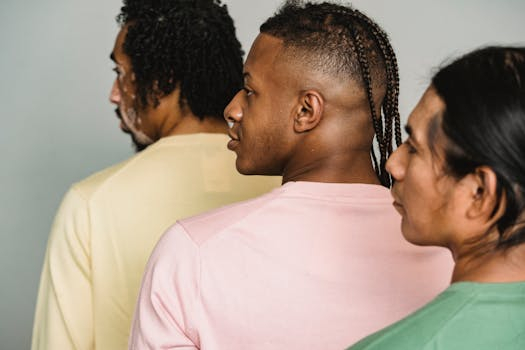
The Historical Context
The concept of fashion and gender roles can be traced back to ancient civilizations, where men and women were expected to dress differently to indicate their gender. These societal expectations and norms were heavily influenced by cultural and religious beliefs. For instance, in Ancient Egypt, men traditionally wore kilts while women donned long, fitted dresses. In Ancient Greece, men wore tunics and women wore draped garments, with both genders expected to conform to their respective societal roles.
The Evolution of Fashion
Over the years, fashion has undergone significant changes, both in style and societal expectations. The late 19th century saw the emergence of the corset, which was used to create an exaggerated hourglass figure for women. This was followed by the introduction of pants and suits for women in the early 20th century, signifying a newfound sense of freedom and equality. These changes in fashion were not merely trends but also a reflection of shifting gender roles and perceptions.
In the 1960s and 1970s, as the feminist movement gained momentum, the fashion industry saw a surge in the popularity of androgynous styles, where men and women dressed similarly. Clothing became a symbol of rebellion against traditional gender roles, with women opting for pantsuits and men embracing long hair and colorful attire. This era also saw the rise of unisex fashion, which challenged the idea of gender-specific clothing and highlighted the need for self-expression.
The Impact of Media
In modern society, the media plays a significant role in shaping societal perceptions of gender roles and fashion. From magazines to advertising and social media, we are constantly bombarded with images of what it means to be “masculine” or “feminine.” The constant promotion of gender-specific clothing and beauty standards can lead to a sense of insecurity and pressure to conform to societal expectations.
Moreover, the media often places limitations on gender expression, with men and women expected to adhere to strict guidelines when it comes to their choice of clothing. Women are often criticized for being too revealing or not “feminine enough,” while men are ridiculed for wearing anything deemed too “feminine.” These limitations can have a profound impact on individuals and reinforce gender stereotypes and roles, perpetuating the idea that one can only be either masculine or feminine.
The Role of Fashion in Breaking Gender Stereotypes
Despite the influence of media and societal expectations, fashion has also been used as a means to challenge and break gender stereotypes. Designers are now creating gender-neutral clothing with a focus on comfort and self-expression rather than conforming to traditional gender roles. This not only allows individuals to dress as per their preferences but also challenges the notion that clothing should be based on one’s gender.
In recent years, we have seen a rise in gender-fluid models and non-binary individuals in the fashion industry, showcasing designs that blur the lines between masculine and feminine. This has brought about a sense of inclusivity and acceptance, further proving that fashion should not be restricted to one’s gender.
The Future of Fashion and Gender Roles
As we continue to push for gender equality and challenge traditional societal expectations, fashion will play a crucial role in breaking down gender barriers. The current trend of gender-fluid fashion and inclusivity in the industry is a step forward towards creating a more diverse and accepting society. By embracing self-expression and challenging gender norms, fashion can be a powerful tool in shaping a more equal future for all.
In conclusion, fashion not only serves as a means of self-expression but also plays a significant role in portraying and perpetuating gender roles within society. However, with the emergence of gender-fluid fashion and a push for inclusivity, we can strive towards breaking down traditional gender stereotypes and creating a more diverse and accepting world.