The Importance of Understanding Different Leather Tanning Processes
Leather has been used for centuries as a durable and versatile material for clothing, furniture, and other goods. But have you ever stopped to think about how that leather is made? The process of turning raw animal hides into usable leather involves several different techniques, known as tanning processes. Understanding these processes is crucial for those in the leather industry, as well as consumers looking to make informed choices about the products they purchase. In this article, we will discuss the importance of understanding different leather tanning processes and how they impact the final product.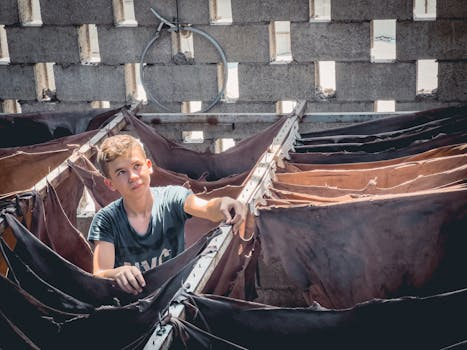
The Basics of Leather Tanning
Before we dive into the different tanning processes, it’s important to understand the basics of leather tanning. Tanning refers to the process of treating animal hide to make it more durable and pliable. This process prevents the hide from decomposing and turning into rawhide. The end result is a strong and flexible material that can be used for a variety of purposes.
The tanning process typically involves three main steps: preparation, tanning, and finishing. During the preparation stage, the animal hide is cleaned and treated with chemicals to remove any dirt, hair, and fat. Then, the tanning process begins, where the hide is treated with a tanning agent to stabilize the collagen fibers and prevent them from breaking down. Finally, the leather is softened and finished with color and texture treatments.
Different Leather Tanning Processes
1. Vegetable Tanning
Vegetable tanning is one of the oldest methods of leather tanning, dating back to ancient civilizations. This process uses natural materials, such as tree bark and roots, to tan the leather. The result is a durable and environmentally friendly product. However, vegetable-tanned leather tends to be stiffer and less water-resistant than other tanning methods.
2. Chrome Tanning
Chrome tanning is the most common tanning process, accounting for about 80% of leather production worldwide. This method uses chromium salts to tan the leather, resulting in a soft, water-resistant, and flexible material. It is also a faster and more economical process compared to vegetable tanning. However, the use of chromium can have negative environmental and health impacts if not properly managed.
3. Brain Tanning
Brain tanning is a traditional method used by Native American tribes to tan hides. Instead of using chemicals, the process involves rubbing the hide with animal brain tissue to tan the leather. This results in a soft and supple leather that is also water-resistant. However, it is a time-consuming process and requires a lot of skill and knowledge to execute properly.
The Impact of Tanning Processes on Leather
Each tanning process has its unique characteristics, resulting in different types of leather. Understanding these processes is crucial for those working with leather, as it determines the quality and properties of the final product. For example, vegetable-tanned leather is best suited for goods that require stiffness and durability, like belts and shoes. On the other hand, chrome-tanned leather is perfect for products that require softness and flexibility, such as bags and jackets.
Moreover, understanding the tanning process can also give consumers valuable insight into the quality and sustainability of the leather they are purchasing. For environmentally conscious consumers, vegetable-tanned leather may be the preferred choice due to its use of natural materials. On the other hand, consumers looking for a softer and more affordable leather product may opt for chrome-tanned leather.
In Conclusion
Leather tanning processes play a significant role in the quality, properties, and sustainability of leather products. As consumers, it’s essential to understand these processes to make informed choices about the products we purchase. For those in the leather industry, a thorough understanding of tanning processes is crucial for producing high-quality and in-demand products. So the next time you’re shopping for leather goods, take a moment to think about the tanning process behind them, and you may just appreciate them a little more.